Thursday, 25 February 2016

Protein

Confession: I’m no longer a vegetarian.

Over the course of this summer I have eaten at least five fruit flies.
I don’t know what they were thinking when they fell into my wine, but I can’t say it tasted any the worse.

It’ll be a rare day when a sheep climbs into your roasting dish, or a pig into your frying pan, so
Photo credit: Daniel M.N.Turner via iStockphoto.com
as animal protein goes it was a fairly cooperative business. I have to assume those fruit flies
knew what they were doing.

But how much did they contribute to my protein intake?

Only about one gram, apparently, or around 2% of my daily needs.
Intriguing that the most accessible source of info on the protein value of insects is a weight-loss website, and their calculation is based on the measurement of a ‘partial swarm’.  I suppose I shouldn't be surprised.

I did think though that the notion of insects as a protein source had been much in the news over the last couple of years and had become, if not mainstream, at least well known (in a futuristic, wouldn’t-that-be-a-laugh kind of way).  But as this Guardian article explains, it seems likely that in the Western world our blind dependence on farmed stock animals as a meat source makes it more

Razing forest for palm oil plantations, Indonesia. 
Photo credit:  Ulet Ifansasti, Greenpeace
likely that insects will form a major part of their food, rather than ours.  Got to be an improvement on all that
palm oil industry waste, anyway.

It’s been a good summer for insects in Wellington. My house is full of moths and my Facebook feed is infested with desperate posts from women of a certain age, begging for swan plants to feed their herds of ravenous monarch butterflies.  

It’s been quite a cicada season too. Surely we can make use of all these? Tapas?  Or if the thought of the crunch makes you queasy, how about just grinding them up into powder – pop it into your smoothie. Could be anything in there anyway, who would know. Truth be told, I’m pretty squeamish about eating insects myself, so I shouldn’t tease. But then, I’m squeamish about eating sheep, cows, pigs, fish, hens, other people – and I’m not keen on smoothies either. I figure the time will come soon enough when I’m not able to chew my food, and meanwhile my digestive system is the world's most powerful nutrient extractor. Actually.

But for those of you who are okay about eating your fellow mammals, really why should you be put off by the thought of eating insects?

They’ve been around a lot longer than us, and as the world warms we’ll be seeing a lot more of them; anything you can do to keep their numbers down will be helpful in the struggle to maintain the lifestyles to which we’ve become accustomed. Get them before they get you.

Friday, 19 February 2016

Desperate advertising

Now that the paper I started this blog for is finished, I'm free to rant about all manner of things. So for starters, this:


WHAT. Do they mean?
A heavily sedated child propped up in front of an industrial fan. The milk is, where? Why? What?

I know the dairy industry is in trouble in this country, but really. Who thought this was a good idea?

I used to watch Bewitched as a kid and quite liked the idea of doing Darren's job, pitching crazy ad ideas to strait-laced people who didn't quite get the joke.

But with the benefit of age and impatience I see now that this is what that looks like. Can't wait for the next instalment in this series.  

Friday, 5 February 2016

Wrap up

The key things I’ve learned about science communication from this course are techniques for writing position papers, strategies around editing of others’ work, and how careless I am with referencing.

The initial section on position papers was gold: go through the opposing viewpoint fairly, clearly, point by point, and then address each point with contradictory evidence. Simple! But writing an argument this way was not something I’d consciously explored before. I’m respectful enough of others to argue similarly in real life (unless you really push my buttons) but I’ve realised I’m a lot more self-righteous and ‘show-offy’ on the page; I need to take care that I don’t get carried away. The ability to stand back and dispassionately weigh up the opposing positions without getting snarky will be a definite gain.

Concentrate! Photo credit: thevintagenews.com
I also learned about my limits around working with other people’s writing, which I found more difficult and stressful than I expected.  If I were to do this again I would insist that only finished material was given to me to work on, and refuse to accept any re-writes while in the process of revision. Having others change their material while I was in the midst of revision, trying to stitch the sections together, was frustrating. And I’ll admit – I was already proofreading, while revising, when I should have left that til last. Can’t. Help. Myself. This made version control a nightmare, and ultimately the version I submitted as the final report had errors I was sure I had already corrected, including a MISSING APOSTROPHE. The Shame.

Finally, I’ve learned that I need to get my referencing right the first time and check
Photo credit: freelancers union.org
the prescribed format there and then. Journal articles drive me particularly mad. Why does it have to be so complicated?  

Twice (twice!) I made the mistake of deleting non-crucial material from the text, but leaving the reference on the list. I checked the team’s sections against their references carefully for this but overlooked my own. On the plus side, very glad to have learned the ‘command T’ trick for reference list formatting. Genius.


What I still need to learn about writing/communicating in science is the editing of my own work: what to focus on and what to leave out. I think I’m so good at it, but I still include a lot of extraneous words and details that just don’t need to be there. Oh! Just did it again. In blog 8 I sang Carl Sagan’s praises for leaving the right gaps, but I still have a lot to learn about this. ‘Stop giving reasons’ is my focus now. So much can be inferred, and I need to trust my readers to join the dots for themselves - without forgetting the difference between general knowledge and specialist knowledge that I might need to explain.  Knowing what to spell out and what to leave people’s imaginations is what I still need to learn. More haiku practice might help.

Friday, 29 January 2016

Summer School Teamwork

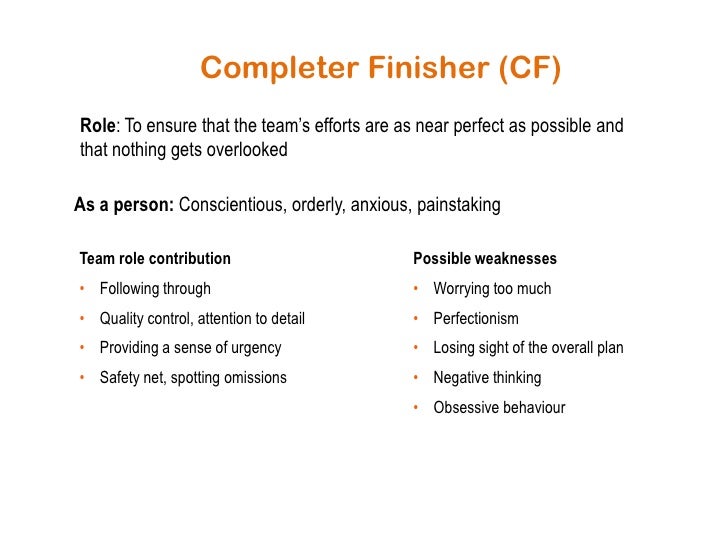
As a Completer Finisher, I took all your commas out. Sorry team.

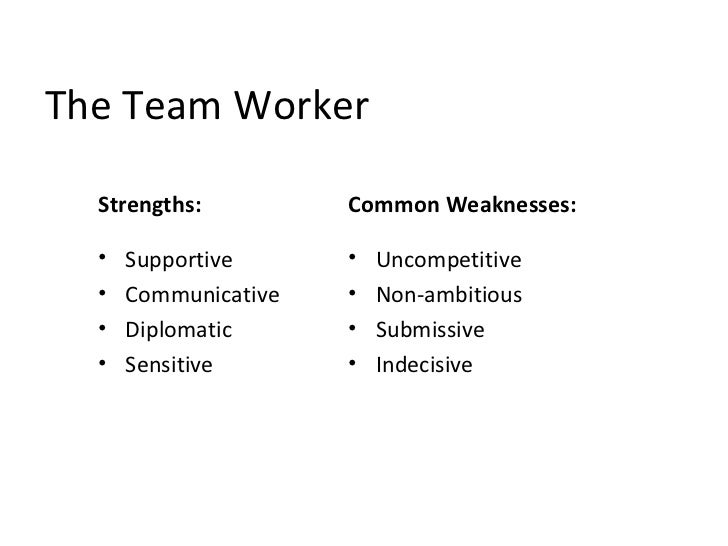
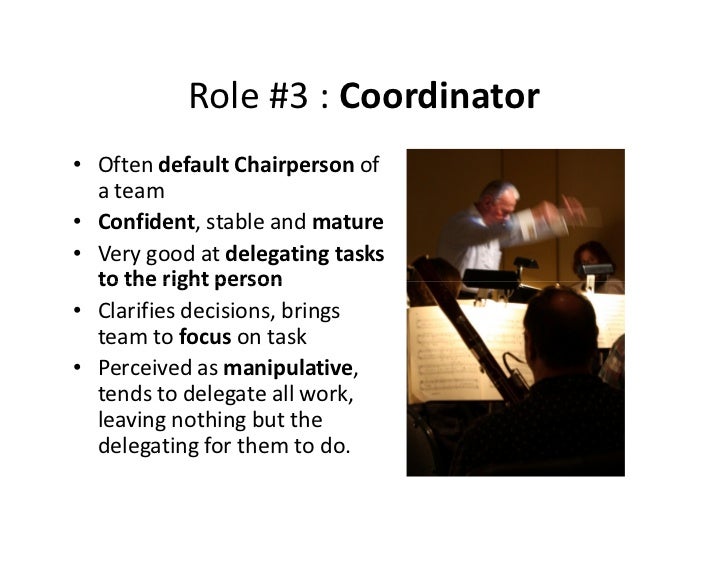
The Completer Finisher role is definitely me. I’m a real fuss-pot with written work, polishing and re-polishing. I love to square everything away (folding washing, correcting your spelling, fixing lumpy grammar), but much as I like to take control of the editing, as a Team Worker (strength number two) I’ll always try not to be a cow about it.

No student is an island.     Photo credit: AIP
Actually, Completer Finisher is not even in my top three strengths in the Belbin range, and this illustrates the ‘needs must’ aspect of the theory: if a role or task needs filling in your group, different aspects of your talents and traits may emerge.

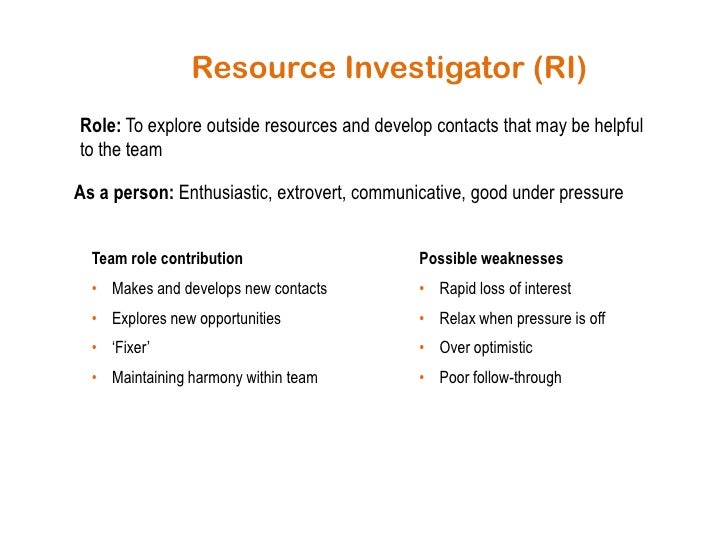
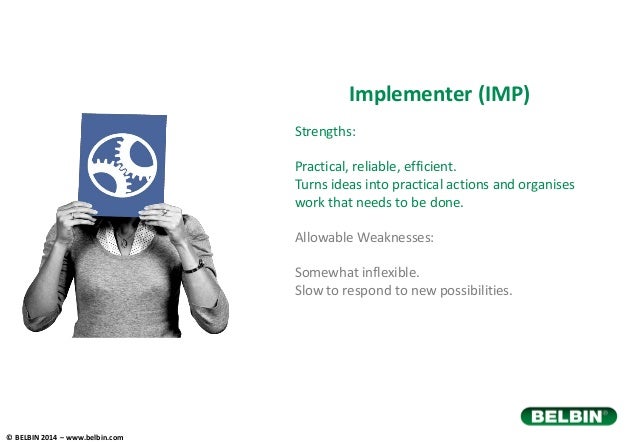
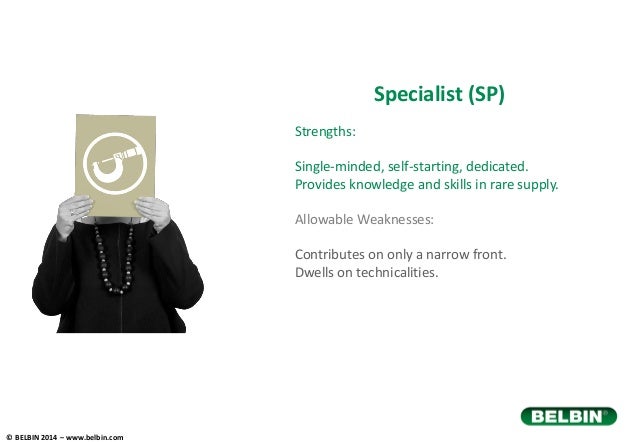
My top Belbin strength is Plant, so luckily we had a couple of Resource Investigators to have the sensible ideas. My magpie imagination is not always useful (although in my defence when I have ridiculous ideas I do complete and finish them. Actually this is not always useful either).  It became clear that Emma also had Plant in her strengths (#3), when she put forward alternative ideas for possum control that included installing high-frequency-emitting, possum-repelling deterrents around wilderness areas. I think her teamwork attitude extended to the possums themselves! (It’s a fair bet the possums are Implementers. And maybe Specialists.)

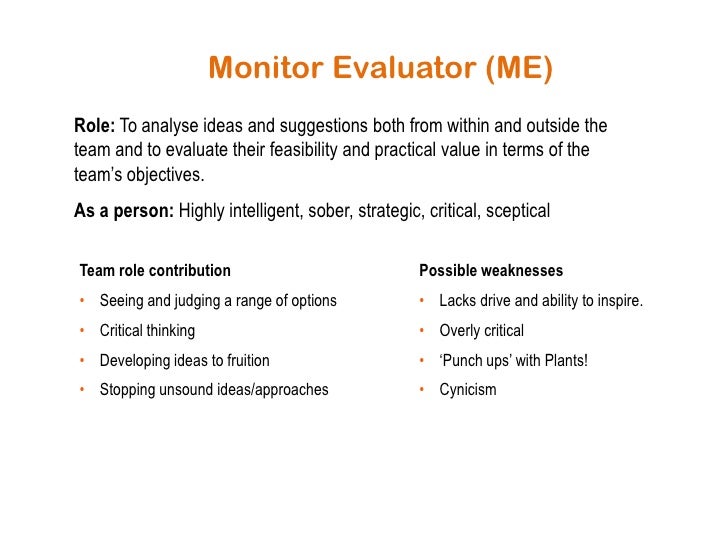
Meg, with Implementer and Monitor Evaluator as numbers five and six, provided practicality and planning strengths with both assignments, and a sensible, critical evaluation of our report structure.
An advantage for our team was that we all have both Team Worker and Coordinator in our top three. Combined with our other, complementary strengths, this made us a
  That's me at the back. Broke a nail.
Photo credit: National Geographic
very cooperative and helpful team, each willing to listen to ideas and help where we could. People volunteered for tasks rather than needing to have them allocated, and we all just got on with it. We were fortunate to have
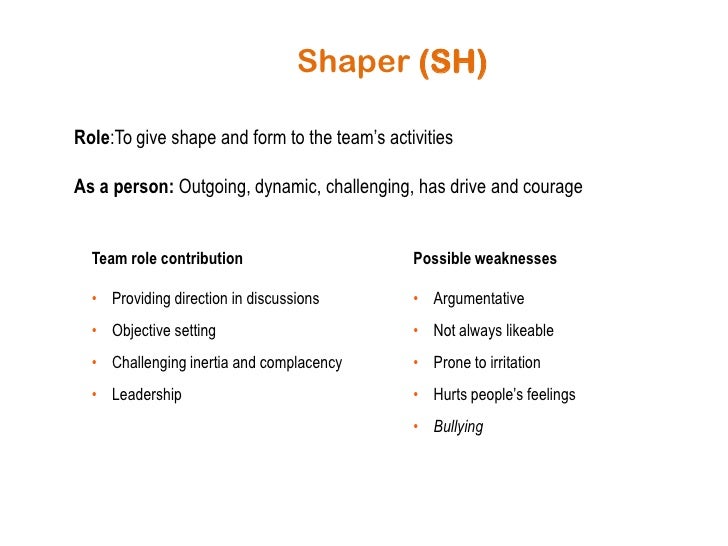
Catherine in the team leader role, steering us through this in a diplomatic, collaborative way with her Coordinator strength, and also Emma with her sneaky Shaper tendencies which came to the fore after Assignment 2 was finished and we all ran out of steam a little (or maybe that was just me). Organising skills and a dose of enthusiasm at just the right time.
Less than ideal in our team was having an editor who was also a Team Worker and Coordinator – a more autocratic approach would have been more efficient. Also, having more than one Completer Finisher on board is difficult at the revision and editing stages, as it can lead to re-work and double handling.  But as a whole our team was a good balance of Belbin strengths – nothing was missing apart from a strong Shaper, who would have been unhelpful in the mix as we were all capable and self-motivated; anyone trying to boss us would have caused a clash.

Especially lucky for me probably, that no one had Shaper as their Number 1 strength.  I might have had to back off and leave those commas alone.